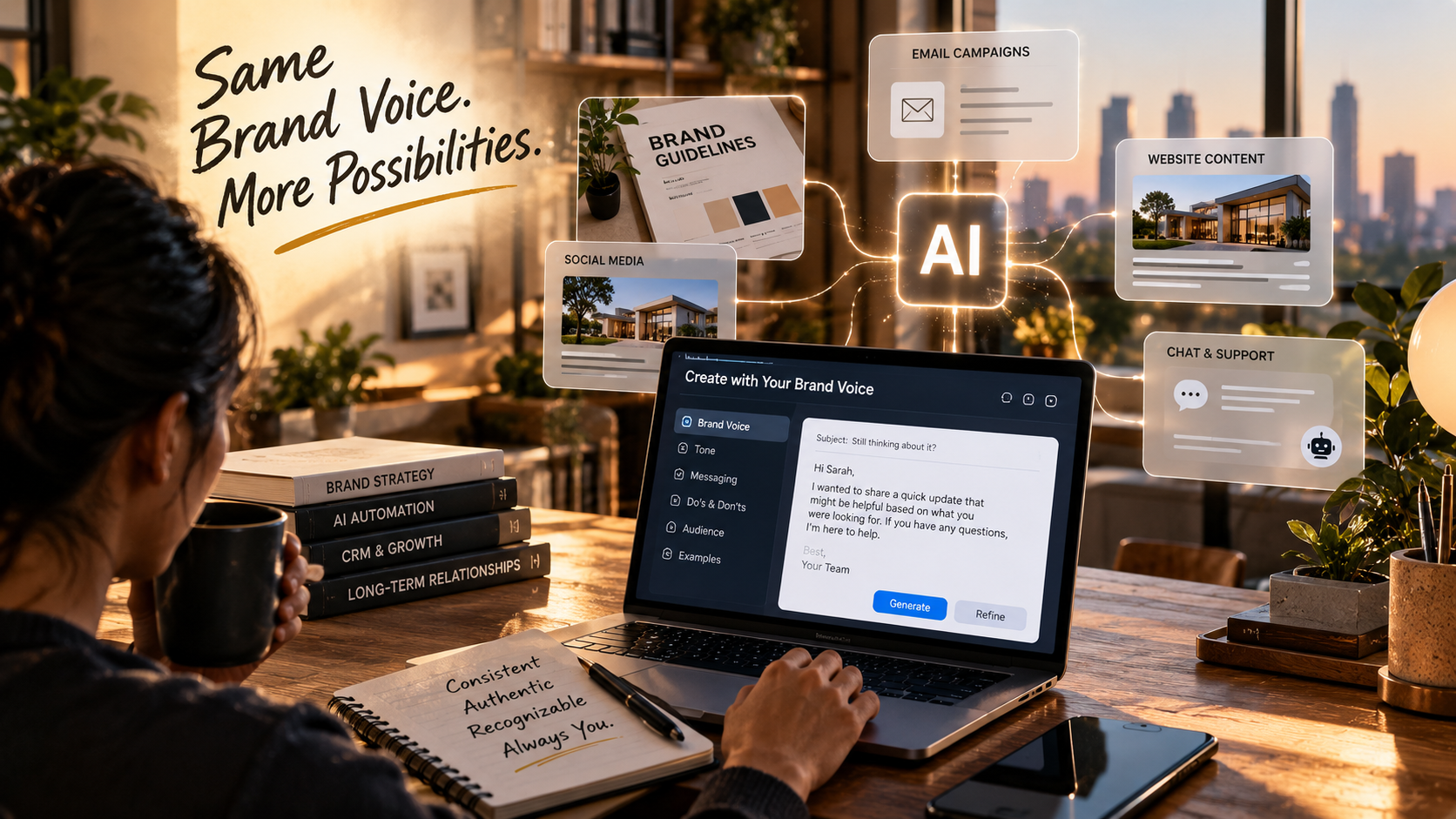
When you get the first “yes” from a prospect, smart AI-driven nurturing is what quietly turns that moment into a lasting customer relationship.
Building real, long-term relationships with customers has never been simple. You finally make that first contact, maybe through a form submission, a phone call, or a quick reply to an email, and then the real question comes up: can AI continue long-term nurture after the first contact in a way that actually feels human and helpful rather than robotic and noisy?
We work with that question every day. As CRM experts and AI specialists, we see how many organizations pour energy into lead generation and the first touchpoint, then lose momentum when it is time to follow up, educate, and stay relevant. The good news is that modern tools allow us to design nurturing strategies that are consistent, personal, and scalable at the same time, as long as they are used with intention and a clear strategy.
In this article, we want to show you five practical ways AI can keep your customer relationships growing after that first contact. Our goal is not to drown you in jargon. We want to walk you through what is possible, what actually works in the real world, and how you can blend AI with your existing CRM practices so the technology feels like a natural extension of the way you already care for your customers.
How AI Extends The First Conversation Instead Of Replacing It
Before diving into the five specific ways, it helps to understand the core idea. When you ask whether AI can continue long-term nurture after the first contact, you are really asking how to keep that first conversation going in a way that scales.
We have seen this work best when you think of AI as a conversation extender, not a conversation replacer. The first contact might happen through a website chat, a short discovery call, or a quick email reply. AI can then:
1. Capture the details of that first interaction in your CRM 2. Translate those details into a clear profile and set of signals 3. Use that profile to guide relevant follow-up over weeks or months
In other words, instead of sending the same generic drip sequence to everyone, AI helps you adapt the tone, timing, and content based on what each person has actually shown interest in. The more quality data your CRM team feeds into the system, the more natural and relevant the nurturing experience becomes.
1. Turning First-Contact Data Into A Living Profile
If we want AI to nurture a relationship, it needs to know who it is talking to. That sounds obvious, but many systems still treat the first contact as a one-time sign-up event instead of the beginning of an ongoing learning process.
Capturing what really matters at first contact
When a new lead appears, there are usually clues hiding in plain sight:
1. What page or channel they came from 2. Which questions they asked 3. What offer or message caught their attention 4. How quickly they responded or followed through
A solid CRM strategy treats all of this as valuable data that should contribute to an ongoing customer profile. An AI specialist can then configure models to interpret those signals as indicators of intent rather than just noise.
For example, if someone first contacts you about implementation timelines rather than pricing, that may indicate they are further along in the buyer journey. AI can use that signal to send content about onboarding, case studies, and detailed timelines instead of beginner-level “what is this?” explanations.
Keeping the profile fresh, not frozen
We like to treat profiles as living documents. Each new interaction updates the picture:
1. Email opens and click patterns can shift their interest score 2. Chat questions can reveal new pain points 3. Support tickets can highlight real-world use cases and friction
When your CRM and AI systems are aligned, that profile becomes the brain behind your nurturing strategy. The system can automatically adapt who receives which follow-up sequences, when to slow down, when to check in, and when to flag a lead for direct human outreach.
2. Designing AI Email Nurture That Feels Surprisingly Human
Email is still one of the most powerful ways to stay in touch. The problem is that most nurture campaigns feel like wallpaper. You see the subject line, maybe skim one email, and then everything starts to blend together.
When you consider whether AI can continue long-term nurture after the first contact through email, there are three specific areas where it can make a difference: timing, relevance, and tone.
Smarter timing based on behavior
Instead of sending every email on a fixed schedule, AI systems can monitor behavior and adjust accordingly:
1. If someone opens and clicks quickly, future messages can arrive a little more often while interest is high. 2. If someone rarely opens emails, the cadence can slow down to avoid fatigue. 3. If a lead suddenly starts engaging again after a quiet period, a reactivation sequence can trigger automatically.
This might sound like a small adjustment, but it can make the difference between someone feeling gently guided and feeling spammed.
Content that adapts to interests
A CRM expert approach to nurturing starts by mapping core themes: onboarding, pricing, success stories, training, technical details, and so on. AI can then use profile data to determine which theme should appear next for each person.
For example, if a lead keeps visiting technical documentation pages, AI can queue a sequence of emails that goes deeper into architecture, integrations, and reliability instead of sending general marketing overviews. The person on the other side may feel, often unconsciously, that you are actually paying attention to what matters to them.
Tone that mirrors the conversation
One of the more subtle but powerful uses of AI is tone matching. If someone writes very short, to-the-point emails, the system can favor concise templates. If they write in a friendly, more casual style, response templates can reflect that warmth without going overboard.
We still keep humans in the loop for key messages, but AI can draft, adapt, and suggest content in a way that keeps the nurturing process active and on-brand.
3. Using AI-Powered Segmentation To Keep Content Relevant
Segmentation is where CRM and AI really come together. Traditionally, segmentation meant placing people into a few broad groups: new leads, active customers, and past customers. Now, we can be much more precise without creating a huge amount of manual work.
When you ask whether AI can continue long-term nurture after the first contact, effective segmentation is a major part of the answer.
Building dynamic segments that change over time
Instead of relying on static lists, dynamic segments can update automatically as customer behavior changes. Here are some common examples we work with:
1. Highly engaged leads who interact weekly but have not converted yet 2. New customers in their first 30 or 60 days 3. At-risk customers who show declining usage or slower responses 4. Long-term advocates who open almost everything and frequently share feedback
From there, an AI specialist can define different nurture paths. For example, at-risk customers might receive content focused on quick wins, training sessions, or usage tips, while long-term advocates might receive sneak previews, beta invitations, or feedback surveys.
A simple 5-step nurture design process
We like to break down nurture planning into five manageable steps:
1. **Map the journey:** From first contact to long-term customer, outline the main stages.
2. **Define signals:** Decide which behaviors indicate movement between stages.
3. **Create content themes:** Identify what someone at each stage needs to see or learn.
4. **Configure AI rules:** Set how the system moves people between segments based on those signals.
5. **Review and refine:** Regularly review the results and adjust messages and timing.
This process keeps the technology grounded in real customer journeys instead of abstract theories. When done well, it allows AI to continue long-term nurture after the first contact for thousands of people without losing that sense of personal relevance.
4. Combining AI Chat With CRM For Ongoing Conversation
Chat is often where the first contact happens, especially on a website. Someone asks a quick question, gets a fast answer, and then disappears into their day. If the chat is not connected to your CRM, that valuable interaction can easily be lost.
When we combine chat with CRM and AI, things change. AI can continue nurturing the relationship by recognizing returning contacts, picking up previous context, and gently engaging them again at the right time.
Making chat part of the relationship, not a one-off event
Here is what that can look like in practice:
1. A visitor asks about pricing through the website chat. 2. The AI assistant provides a helpful overview and offers to send a more detailed breakdown by email. 3. The visitor shares their email address, and the chat history and intent tags are saved in the CRM. 4. Over the next few weeks, AI-guided emails follow up with specific pricing examples, ROI calculators, and case studies aligned with the industry they mentioned.
Later, when the same person returns to the website, the AI chat can recognize that they previously discussed pricing and offer to answer follow-up questions or schedule a quick call. The person does not feel like they are starting from zero again.
Keeping humans visible and available
Even as CRM teams rely more on AI, we have learned that clearly signaling when a human is available helps build trust. For more complex or sensitive topics, AI should make it easy to escalate the conversation to a real person, carry over the full conversation history, and avoid asking the same questions twice.
Done right, AI can continue long-term nurture after the first contact through chat without pretending to be human. It supports your human team, handles routine questions, and makes sure every new detail finds its way into the customer profile.
5. Using AI To Predict Needs And Proactively Add Value
The last piece of the puzzle is prediction. Instead of reacting only when someone reaches out, we can use AI to anticipate needs based on behavioral patterns.
This turns the original question into a more powerful one: can AI help you show up at just the right moment with something genuinely useful?
Spotting patterns before problems appear
By combining product usage data, support history, email behavior, and even timing patterns, AI can surface early warning signs or windows of opportunity. For example:
1. A customer’s usage drops steadily over four weeks. 2. A lead views the pricing page three times within a week. 3. A long-term client starts searching help articles about a specific feature.
Each of these events can trigger different nurture actions:
1. A short, supportive email with tips or an invitation to a training session 2. A gentle offer to schedule a call about pricing options 3. A targeted guide or quick video focused on that specific feature
The key is using AI to turn silent signals into timely outreach that feels more like support than sales pressure.
Measuring and learning from every interaction
Of course, prediction is only as good as the feedback loop behind it. We look closely at:
Which messages lead to replies, bookings, or renewed activity
Which segments respond best to different types of content
Where nurture sequences seem to stall or feel too heavy
Over time, those patterns help refine the models. The question is no longer simply whether AI can continue long-term nurture after the first contact, but how AI can improve that nurturing month after month so it becomes more aligned with what your customers actually want.
Keeping AI And CRM Human-Centered
All the technology in the world does not help if the experience on the other side feels cold or confusing. We remind ourselves often that the person who made that first contact is a real human being with a busy inbox, limited time, and a mix of goals and concerns.
So while we embrace our roles as CRM experts and AI specialists, we keep a few grounding principles in mind:
Clarity beats cleverness: Use plain language, straightforward offers, and no unnecessary hoops.
Consent and respect: Provide easy opt-out options, set honest expectations about frequency, and avoid manipulative tactics.
Value first: Each interaction should teach, clarify, or solve something, not simply push for a sale.
When those principles guide the setup, AI can continue long-term nurture after the first contact in a way that actually deepens trust. The technology becomes a quiet partner, helping you remember details, follow through consistently, and show up with the right message at the right time.
Five Practical Ways To Put This Into Action
To make all of this less abstract, here is a simple list of practical steps you can start considering if you want AI to support ongoing nurturing:
Review your first-contact touchpoints and make sure all essential details flow into your CRM automatically.
Define a small set of clear segments based on behavior, not just demographics.
Create a few core email sequences mapped to journey stages, then let AI adapt the timing and order.
Connect your website or in-app chat to your CRM so conversations become part of the long-term relationship history.
Set up a basic predictive rule or two, such as “when usage drops for 30 days, send a personal check-in,” and refine from there.
None of this needs to happen overnight. Even small steps can make a noticeable difference in how people experience your follow-up. As those systems mature, the answer to whether AI can continue long-term nurture after the first contact becomes increasingly clear: yes, but your strategy and care are what make that nurturing meaningful.